
What Is Humane Education And Why Is It Important?
written By Alaina Rhodes, WHS Humane Education Coordinator
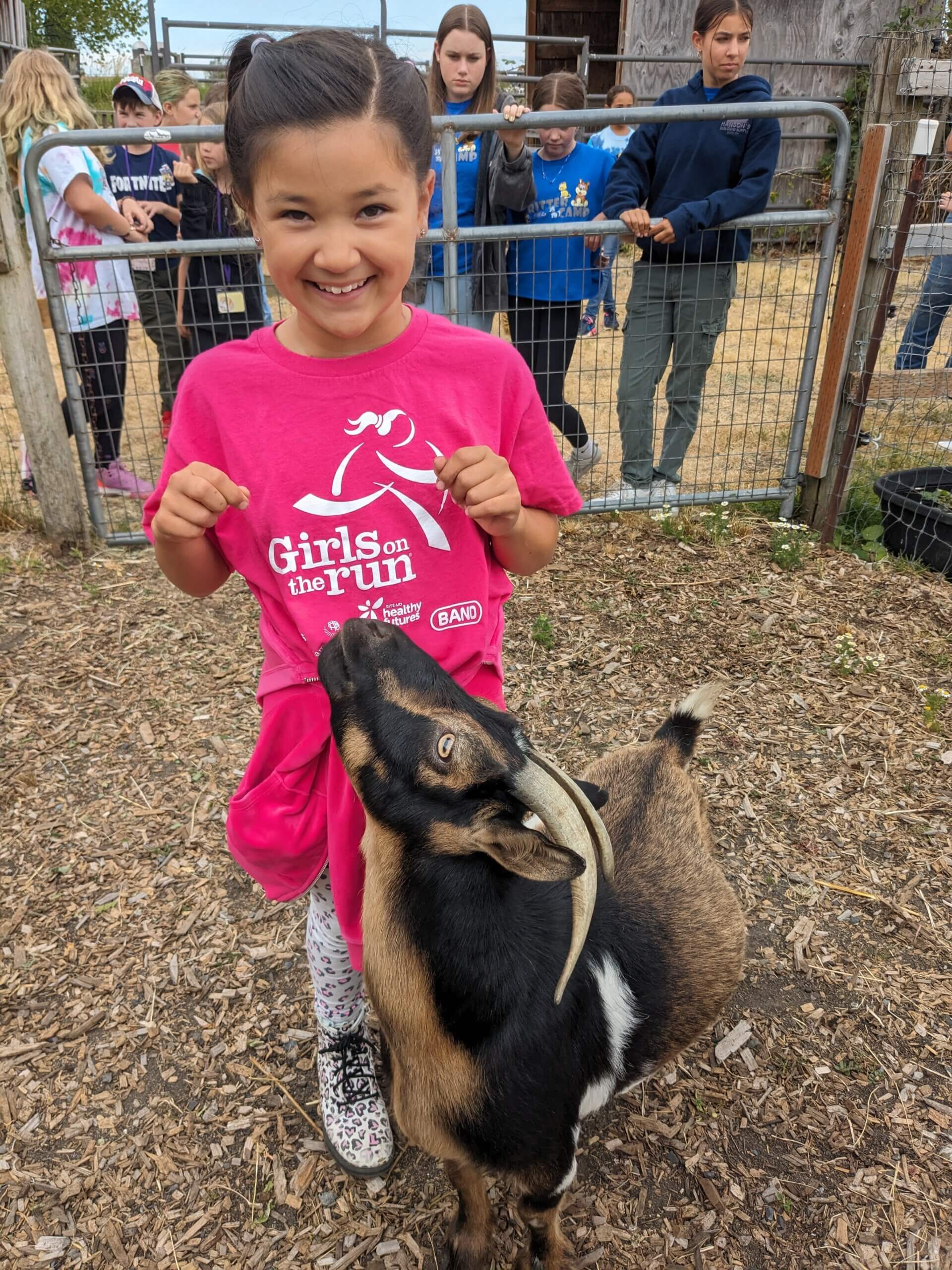
Humane education is a method of teaching that promotes kindness, compassion, and respect for all living things. We have a number of different programs that focus on humane education at the Whatcom Humane Society, including classroom visits to local elementary schools; Critter Camp, our week-long summer day camp; our Dog Day Afternoons program at local libraries that allows kids to practice their reading skills in a judgement-free space with our spectacular volunteer dog teams; kid’s workshops; and tabling at local events.
Through a variety of different topics and activities, my fearless humane education volunteers and I strive to teach kids that animals are sentient beings deserving of love and respect. Teaching these values can lead to better social and emotional development and increased empathy for all living things, humans included. It’s also an incredible way to get kids more engaged with their writing and critical thinking—when I visit classrooms I will sometimes ask students to describe the animal guest that I’ve brought them: “What color are they?”, “What do you think they like to eat?”, or “What is your favorite thing about them?”
I’ve had teachers create writing assignments for their students to write persuasive essays about our shelter animals with the goal of convincing potential adopters to take them home, which is a pretty amazing way to teach kids basic writing and research skills while also helping the community. Humane education is something we can all do in our everyday lives, and I feel very fortunate to be in a community where kindness, respect, and compassion for animals is so widespread.
One of my favorite experiences with humane education happened last year following Critter Camp: I had given a presentation on hamster care and had a really great discussion with the kids about doing your research before getting a pet to ensure that your pet is responsibly cared for. Unfortunately, hamsters are very often mistreated simply because the person taking care of them hasn’t done enough research, and oftentimes their primary caretaker is a young child that isn’t necessarily equipped to take the best care of their pet. We see it all too often: Once a new pet loses its novelty, many young children become bored of taking care of them, and as a result, the animals end up in shelters.

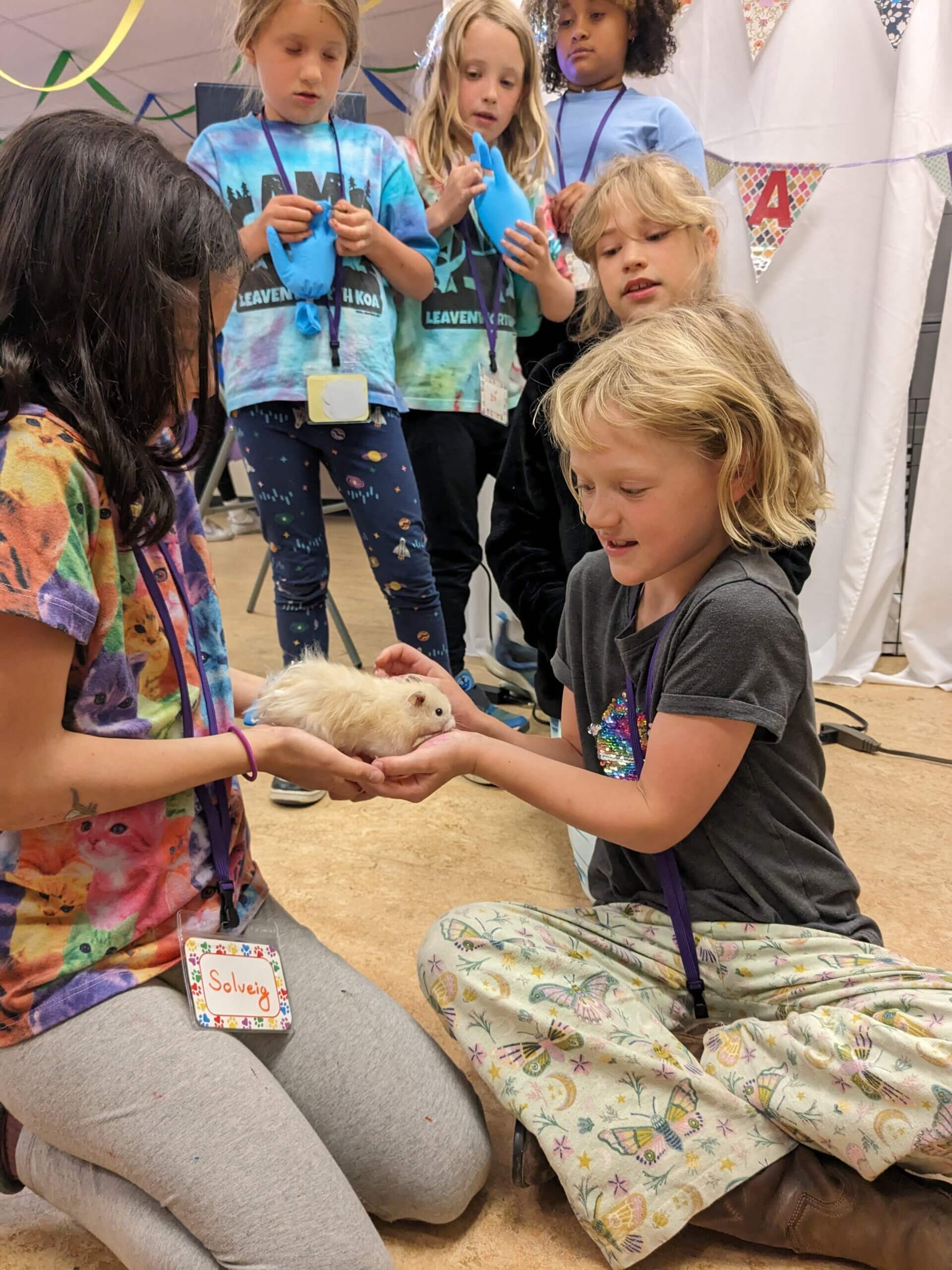
I always make sure to emphasize the “lifetime commitment” aspect of any pet, and I encourage kids to make plans for their pet’s future before getting them. After Critter Camp, a camper’s grandmother informed me that her granddaughter really wanted to adopt Archibald, a Syrian Hamster that was in our care at the shelter, and she was creating a PowerPoint for her parents to show them that she had the knowledge and expertise to give Archibald everything he needs. Her parents weren’t looking to adopt a new pet at the time, but her excitement and commitment was enough to convince them otherwise. I now receive regular updates about Archibald the hamster, who is truly living his best life!
That kiddo having the passion and taking the initiative to give little Archibald a forever home where he is loved and pampered is the kind of story that reinforces how humane education can make an impact. I always encourage the kids to pass along what they’ve learned, and I hope that one day we will all share kindness, respect, and compassion for all living things, big and small.